
Steelmaking Refractories From Furnace to Caster
McKeown supplies steelmaking refractories and consumables for every stage of the melt shop, from primary vessels through secondary refining, ladle transfer, and continuous casting, with each lining designed around your slag practice and campaign targets.
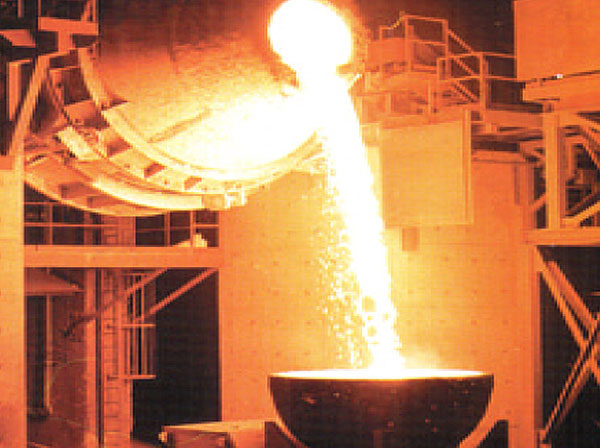
BOF, EAF, and AOD Refractories
Primary vessels wear unevenly. Impact pads, slaglines, trunnions, and tuyere zones each fail for different reasons, so we supply linings in multiple qualities and zone them to balance wear across the whole vessel.
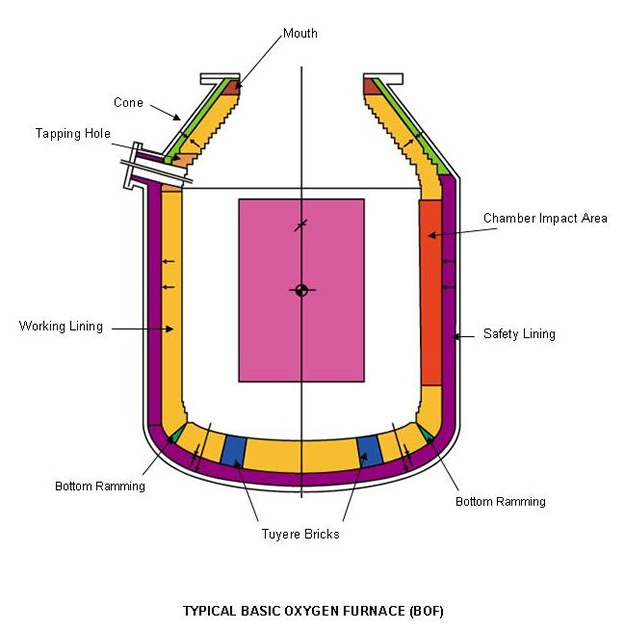
Basic Oxygen Furnace (BOF)
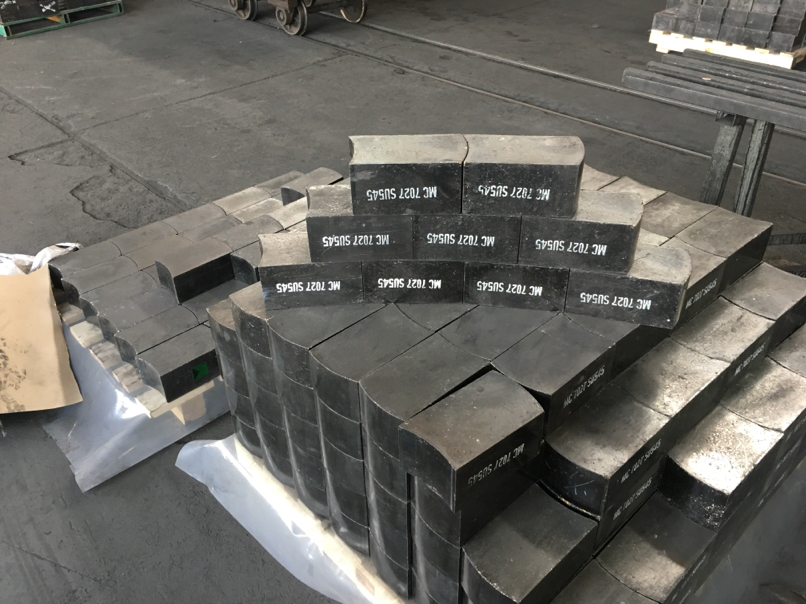
Magnesia-carbon brick made with large-crystal magnesite and high-purity flake graphite, with antioxidants added as needed. Separate qualities cover the cone, slagline, tapping side, trunnion, bath, bottom, and tuyere areas, with typical MgO of 72–76% and carbon of 14–17%.
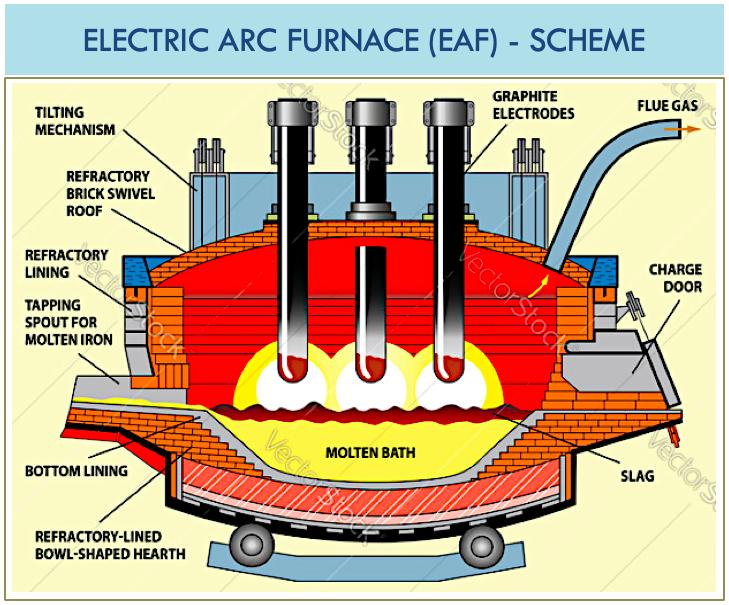
Electric Arc Furnace (EAF)
Resin-bonded magnesia-carbon brick built on high-purity fused magnesia for high resistance to erosion and slag attack. Grades span roughly 5–15% carbon for sidewalls and hot spots, and other carbon levels are available on request.
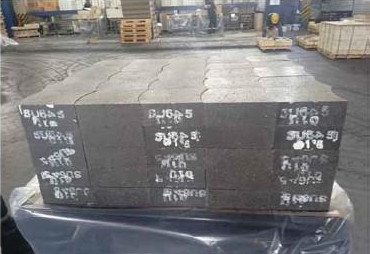
Argon Oxygen Decarburization (AOD)
Magnesia-dolomite brick made from high-purity, naturally occurring magnesite and dolomite, offering high-temperature stability and slag resistance. Dedicated grades serve the sidewall and cone and the tuyere and tuyere-pad areas.
Ladle, Tundish, and Secondary Refining Refractories
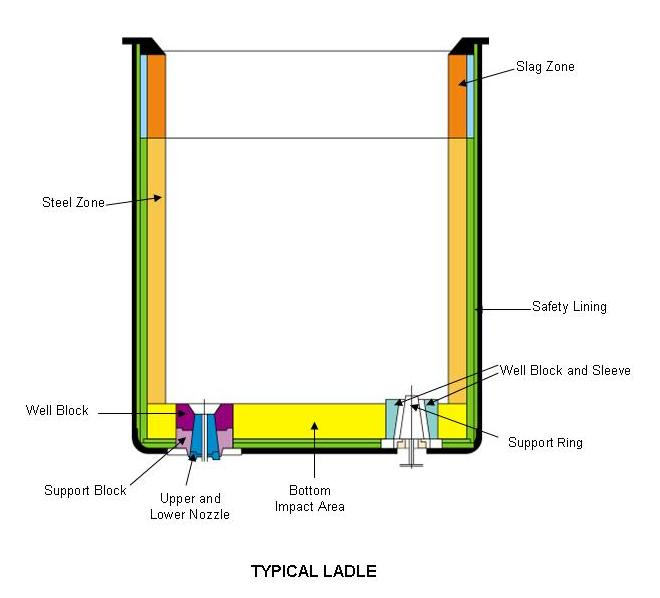
A well-balanced ladle lining wears evenly, so no single zone forces an early reline. We design ladle linings from a range of magnesia-carbon, alumina-magnesia-carbon, high-alumina, and resin-bonded dolomite brick, then fit each one to your slag chemistry and ladle cycle.
- Working linings for slagline, sidewall, bottom, and impact pad, plus safety linings
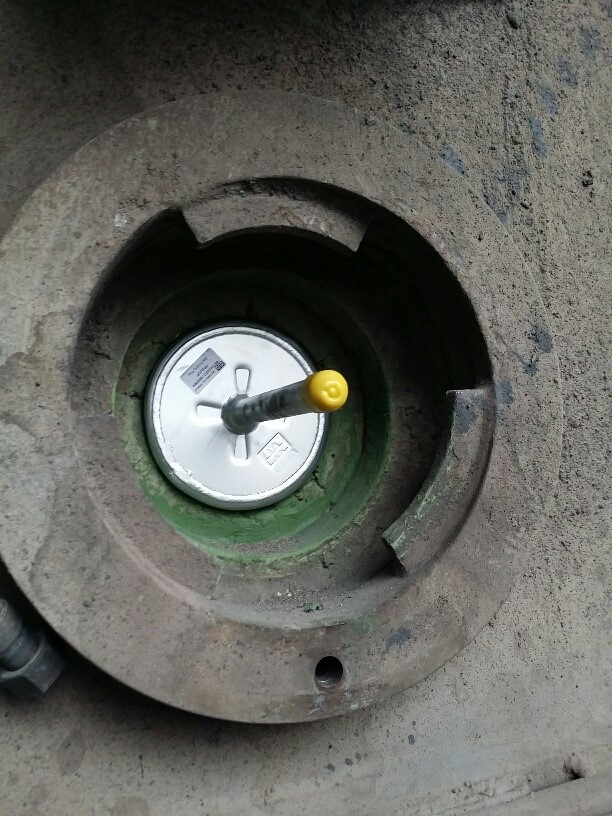
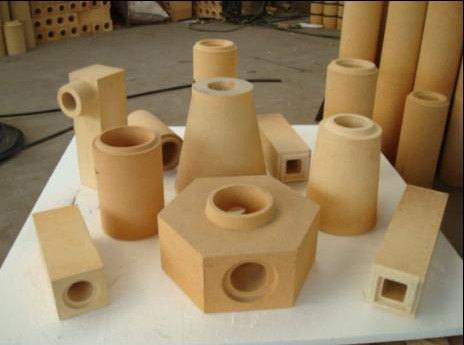
- Porous plugs, well blocks, sleeves, and upper and lower nozzles
- Ladle shrouds and flow-control refractories
- Tundish, RH degasser, bottom-pour, and soaking-pit refractories
Continuous Casting Components and Metallurgical Consumables
Continuous Casting Components
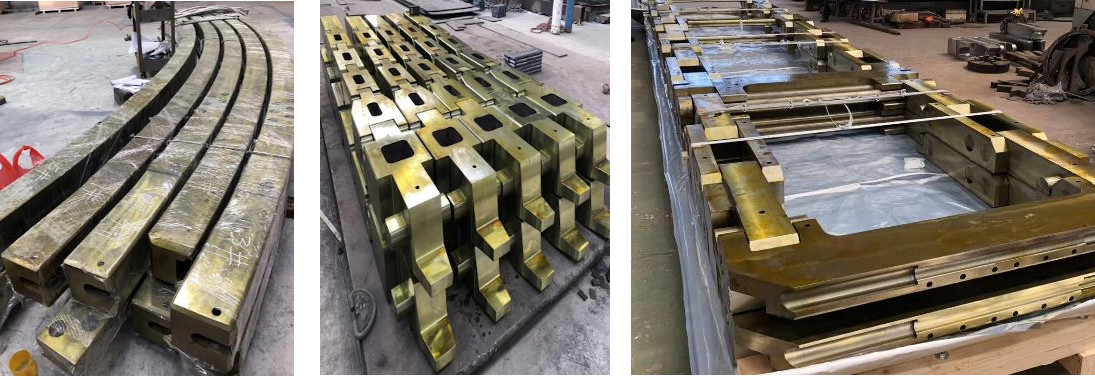
Copper molds, mold housings, segments, and dummy bars, engineered and produced through our partners in Cu-DHP, Cu-Ag, and CuCrZr alloys. Mold sizes range from 90 × 90 mm to 220 × 220 mm square, 100 × 170 mm to 235 × 265 mm rectangular, and 130–360 mm round, with maintenance and repair available.
Graphite Electrodes
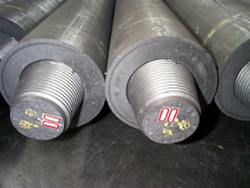
HP, SHP, and UHP grades from 12 to 24 inches in diameter. We review your operating practice and melting conditions before recommending a grade, because the right match is what keeps electrode consumption down.
Cored Wire
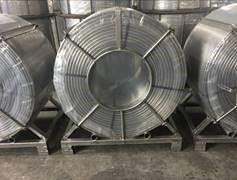
Tubular wire filled with a calculated alloy blend, such as calcium-silicon or carbon, for secondary steelmaking. Cored wire cleans the melt, modifies inclusions, raises alloy yield, and reduces alloy consumption.
Stainless Steel Flexible Hoses
Corrugated stainless hose assemblies for oxygen, steam, hot air, hot water, and other media, built for high and sub-zero temperatures, high pressure, and continuous movement.
Also available: copper molds for other casting formats and electrodes for ladle furnaces.
Typical properties are subject to reasonable variation and are not intended for specification purposes.
Download the Steelmaking Brochure
Get the full property tables for BOF, EAF, AOD, and ladle brick, along with mold chemistry and electrode data, in one reference your melt shop and purchasing teams can share.
Chasing Longer Campaign Life?
Share your current lining, heats per campaign, and where it fails first. We'll recommend a zoned lining or consumable change and explain the expected trade-offs.