
Cement Kiln Refractories, Zone by Zone
A rotary kiln is several furnaces in one tube. McKeown supplies cement kiln refractories and lime kiln linings engineered for the conditions in each zone, so one weak section doesn't set your shutdown schedule.
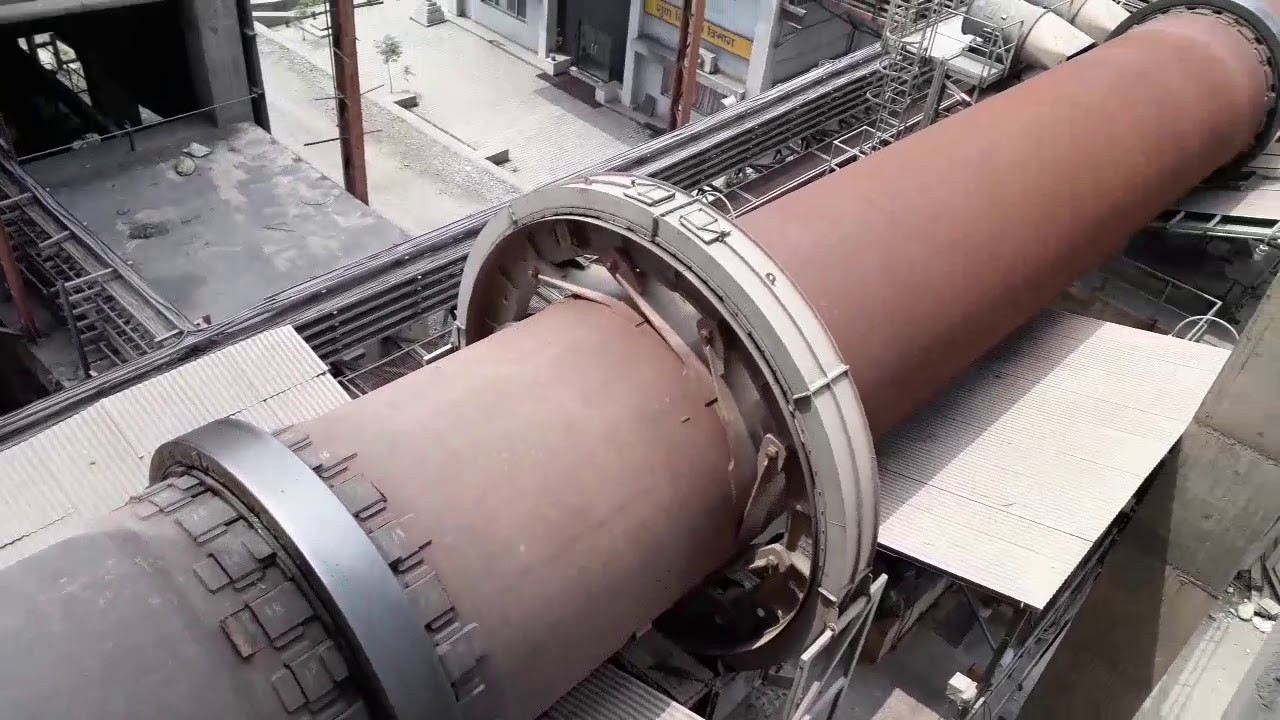
Refractories for Every Kiln Zone
Temperature, coating behavior, and mechanical load change along the length of the kiln. We specify the lining for each zone separately.
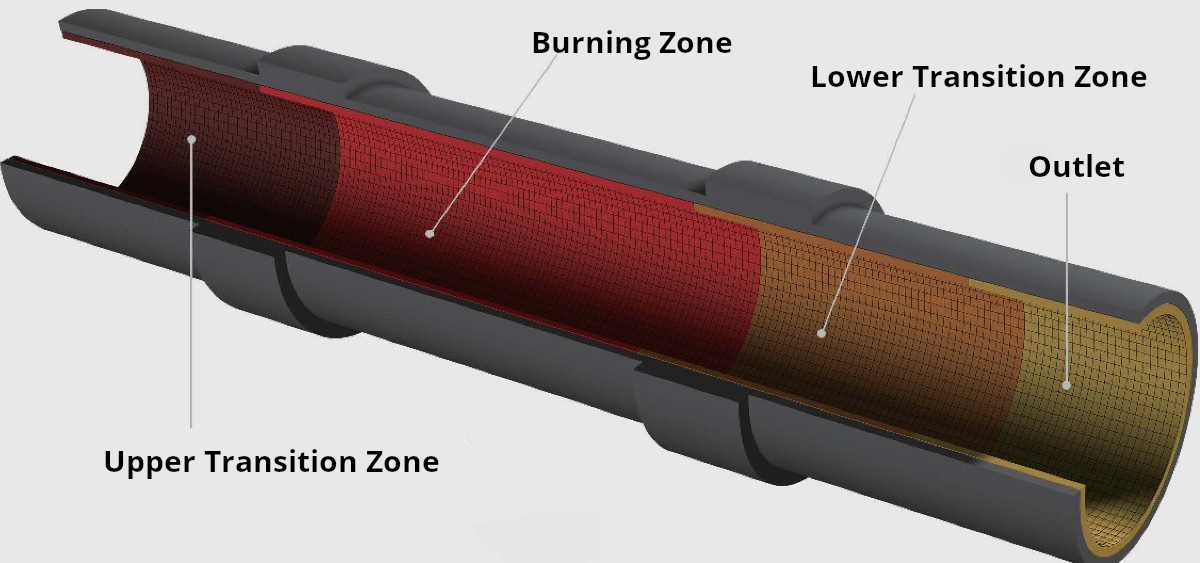
Preheating and Decomposition Zone
This zone must resist alkali attack and abrasion while retaining heat, so the priority is chemical resistance and insulating value.
Transition Zone
An unstable coating, shell ovality, and thermal shock make this zone the hardest on brick. Materials here need both mechanical and thermal toughness.
Sintering Zone
At peak temperature, the lining has to form and hold a stable clinker coating while withstanding liquid-phase attack.
Lime Kiln Linings
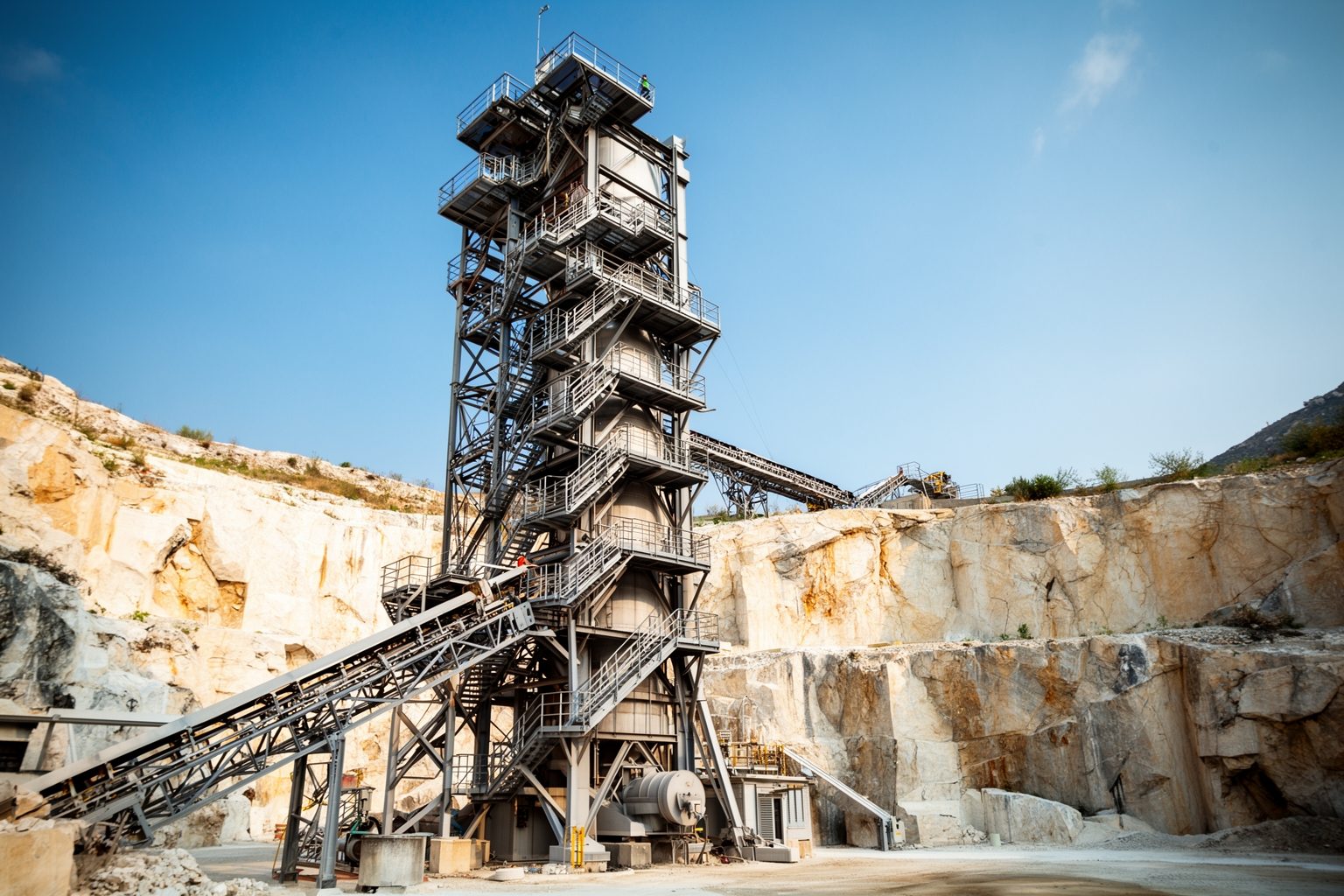
Lime kilns run hot and dry, often with frequent temperature swings and abrasive feed. We apply the same zone-based approach to rotary and shaft lime kilns, sizing lining materials to your fuel, feed, and production rate.
Share Your Kiln's Operating Profile
Kiln dimensions, fuel, production rate, and your last lining map tell us most of what we need. Send them over, and we'll propose materials by zone.
Request a Quote