
Non-Ferrous Metals Refractories Matched to Your Process
No two non-ferrous operations stress a lining the same way. McKeown selects non-ferrous metals refractories around your melt chemistry, temperatures, and cycle, then sources them through partners equipped to produce exactly that.
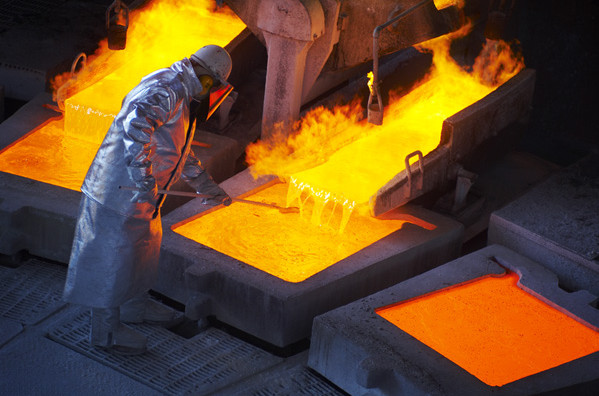
Why Standard Grades Fall Short in Non-Ferrous Service
Non-ferrous smelting and refining combine aggressive slags, low-viscosity metals that penetrate joints and pores, and frequent thermal cycling. A brick that performs well in a steel ladle can fail early here. That's why we treat every non-ferrous inquiry as an engineering question first and a supply question second.
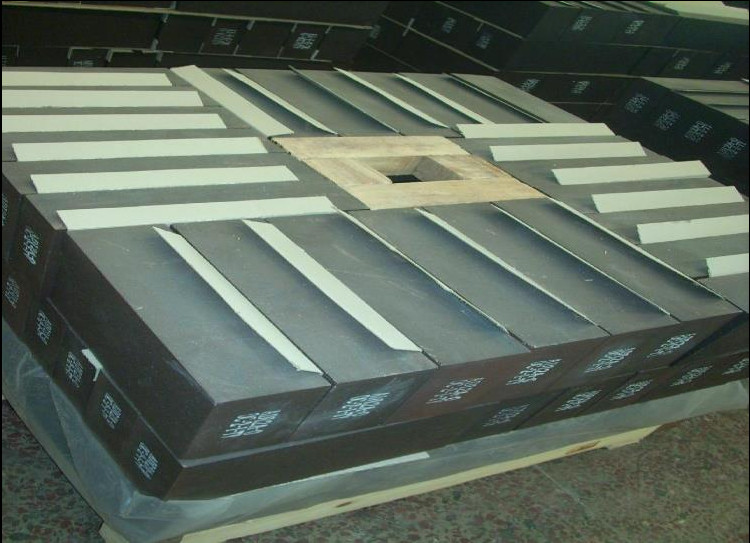
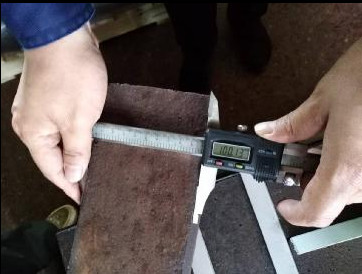
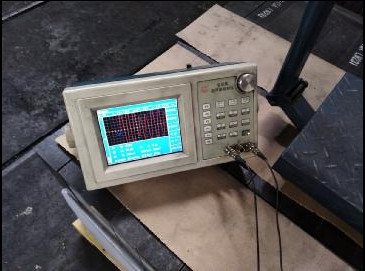
What We Review Before Recommending a Lining
- Metal and slag chemistry, including fluxes and additions
- Operating and peak temperatures, and how quickly they change
- Cycle length, tapping practice, and maintenance windows
- Current lining materials, wear pattern, and failure history
- Your campaign-life and budget targets
That review shapes a recommendation that can draw on silicon carbide, high-alumina, carbon, insulating, and monolithic materials from across our partner network, with each one chosen for a specific zone rather than for convenience.
Proven Across Global Markets
McKeown has supplied products to ferrous and non-ferrous producers in North America, Europe, Africa, and Iceland. That experience across different ores, climates, and plant designs informs every new recommendation.
Supply regions (not offices)
North America
Europe
Africa
Iceland
Describe Your Process. We'll Recommend the Lining.
Tell us the metal, the vessel, and where the current lining fails. Drawings and operating data help us respond with a specific recommendation instead of a generic grade.